Smoker Wood Pairing Guide: Ironbark, Apple, and the Science of Bark Formation
25 May 2026•7 min read
Why wood density changes your cook, not just the flavour
Dense hardwoods like ironbark burn longer and more consistently per log than lighter fruitwoods, which means fewer fire interruptions during a long cook — directly relevant to brisket and other low-and-slow sessions running 10+ hours, where fire management stability matters as much as flavour choice.
The bark-formation chemistry
Bark — the dark, flavourful crust on smoked meat — forms through a combination of the Maillard reaction (browning from heat and protein), rendered fat and spice forming a paste on the surface, and smoke compounds depositing onto that surface over time. Thicker, more consistent smoke exposure over a longer cook builds more pronounced bark, which is part of why low-and-slow methods develop a deeper crust than fast high-heat grilling ever can.
Matching wood to protein
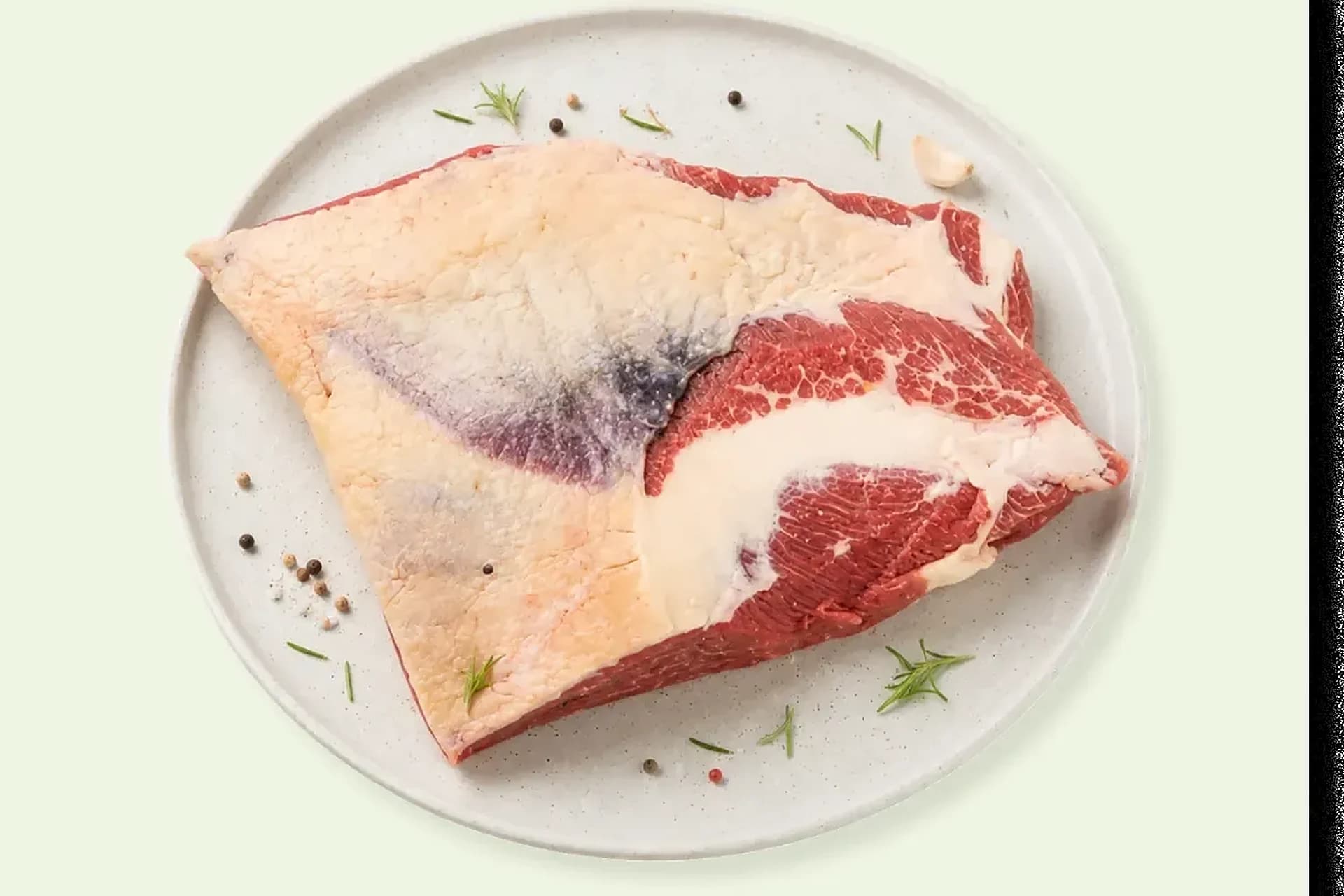
Stronger, denser woods (ironbark, red gum) suit longer cooks and bigger cuts like brisket and pork shoulder, where a bolder smoke flavour has time to balance against the meat's own richness without overwhelming a shorter cook. Milder fruitwoods (apple, cherry) suit shorter cooks and more delicate proteins like chicken or fish, where an aggressive dense-wood smoke could easily overpower a lighter-flavoured meat.
Frequently Asked Questions
Does the smoke ring actually affect flavour?
The pink smoke ring itself is primarily a visual indicator (a chemical reaction between smoke compounds and myoglobin in the meat) rather than a significant flavour contributor on its own — the bark and the smoke absorbed throughout the cook matter far more to actual taste.
Can I mix wood types in one cook?
Yes — many pitmasters blend a dense base wood for consistent heat with a smaller proportion of a milder flavour wood layered in, to combine stable fire management with a more complex smoke profile.
Does wood moisture content matter?
Significantly — properly seasoned (dried) wood burns cleaner and hotter, while wet or green wood produces excess creosote and a bitter, acrid smoke flavour rather than the clean smoke needed for good bark development.
Is bbq wagyu worth smoking low-and-slow versus a fast sear?
Wagyu's high fat content renders beautifully over a long, low smoke, producing an exceptionally rich result, but it is genuinely a different style of eating to a fast-seared Wagyu steak — both are valid depending on the cut and the occasion.
What is the best beef for a BBQ pack versus a dedicated smoker cook?
Quick-cooking cuts like scotch fillet, rump, or sausages suit a standard BBQ pack for direct high-heat grilling, while brisket, short rib, and other collagen-rich cuts are better reserved for a dedicated low-and-slow smoker session.
Can bbq scotch fillet be cooked on a smoker instead of direct grilling?
Yes, though scotch fillet is naturally tender and well-marbled enough that it is more commonly grilled hot and fast — a smoker is better suited to tougher, collagen-rich cuts that need the extended low-heat time to become tender.
Related searches:bbq meatbbq meat packsbbq wagyubbq scotch filletbbq packsbest beef for bbq
Ready to order direct from the source?
Browse the full 160-cut wholesale catalog or ask our butchery concierge a question.