Smallgoods Showdown: Supermarket Snags vs Heritage Smokehouse Sausages
16 March 2026•6 min read
What a "filler" actually is and why it is used
Budget sausages commonly use rusk, breadcrumb, or soy-based fillers to bind the mixture and add bulk at a lower cost than additional meat content would — a product can legally be labelled a "beef sausage" or "pork sausage" while containing as little as 50% actual meat by weight, with the remainder made up of filler, water, and seasoning. This is not inherently unsafe, but it directly explains why a cheaper sausage often has a denser, more uniform, less meaty texture.
How a traditionally made sausage differs
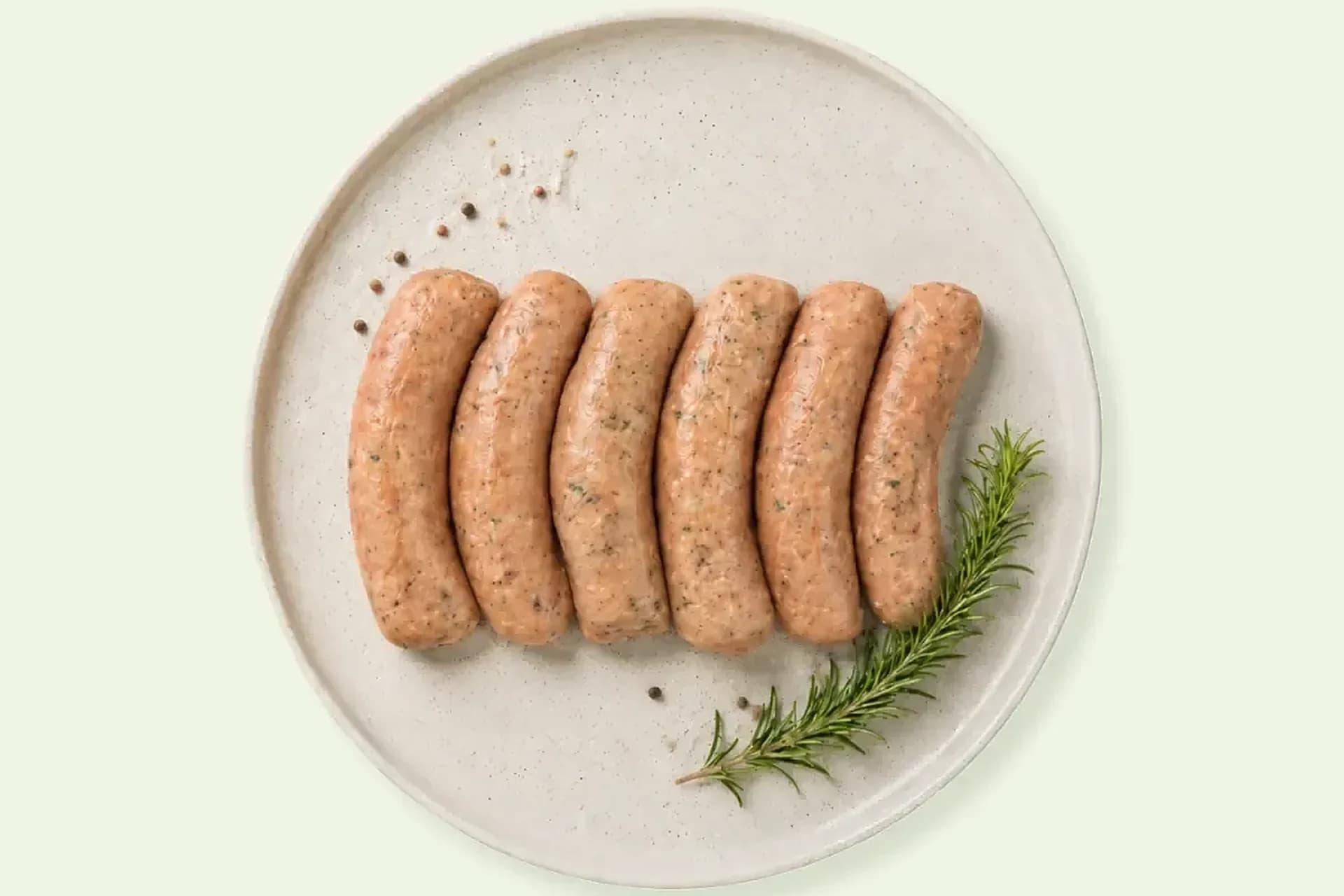
A heritage-style sausage recipe typically runs 85-95%+ actual meat content, uses natural casings rather than collagen film, and relies on herbs, spice, and the meat's own fat content for flavour and binding rather than filler. The higher meat percentage is the single biggest driver of both the higher price and the noticeably different mouthfeel and flavour.
Reading a sausage ingredient list like a butcher would
Check where meat sits on the ingredient list (ingredients are listed by weight, highest first) and look for rusk, soy protein, or "meat emulsion" appearing early in the list — any of those ranking above or close to the named meat is a signal of a lower meat-content product, regardless of how the front-of-pack marketing describes it.
Frequently Asked Questions
Are natural casings better than collagen casings?
Natural casings (made from cleaned animal intestine) give a distinctive "snap" texture when bitten and are the traditional choice for most heritage sausage styles; collagen casings are more uniform and often used in mass production for consistency and cost.
Do higher-meat-content sausages need different cooking?
Yes — with less filler and more fat content, they can flare up more over direct high heat on a BBQ, so slightly lower, slower heat with regular turning gives a better result than a fast hot sear.
How long do fresh butcher-made sausages keep?
Typically 3-4 days refrigerated or 2-3 months frozen, similar to other fresh minced-meat products — check the specific use-by date on your order as recipes without heavy preservatives have a shorter fresh shelf life than some commercial equivalents.
Does "preservative free" mean a sausage spoils faster?
Preservative-free sausages generally do have a shorter fresh refrigerated shelf life than preserved equivalents, which is why they are typically sold frozen or dispatched on tighter cold-chain timelines — freeze promptly if not using within a few days.
How many sausages make up a kilo?
It varies by recipe and casing size, but a standard thick beef or pork sausage typically runs 8-10 per kilo — always check the specific pack weight and count stated by your supplier rather than assuming a fixed number.
Are bulk sausage orders cheaper per kilo than small packs?
Generally yes — buying sausages in bulk as part of a larger order spreads packaging and handling costs across more product, typically bringing the per-kilo price below standard small-pack retail pricing.
Related searches:beef sausagespreservative free sausagesgrass fed beef sausagesbulk sausagesorganic beef sausageshow many sausages to a kilo
Ready to order direct from the source?
Browse the full 160-cut wholesale catalog or ask our butchery concierge a question.