The Truth About Supermarket Mince: Why Farm-Gate Beef Mince Changes Everything
12 January 2026•6 min read
What "mince" actually means on a label
Under Australian food labelling rules, a pack can be sold as "beef mince" even when it is blended from trims off several different carcasses, sometimes several different suppliers, ground together at a processing facility and packed days before it reaches a shelf. Nothing about that is illegal — but it means the fat ratio, the connective tissue content, and the flavour profile of any two packs can vary significantly even within the same brand.
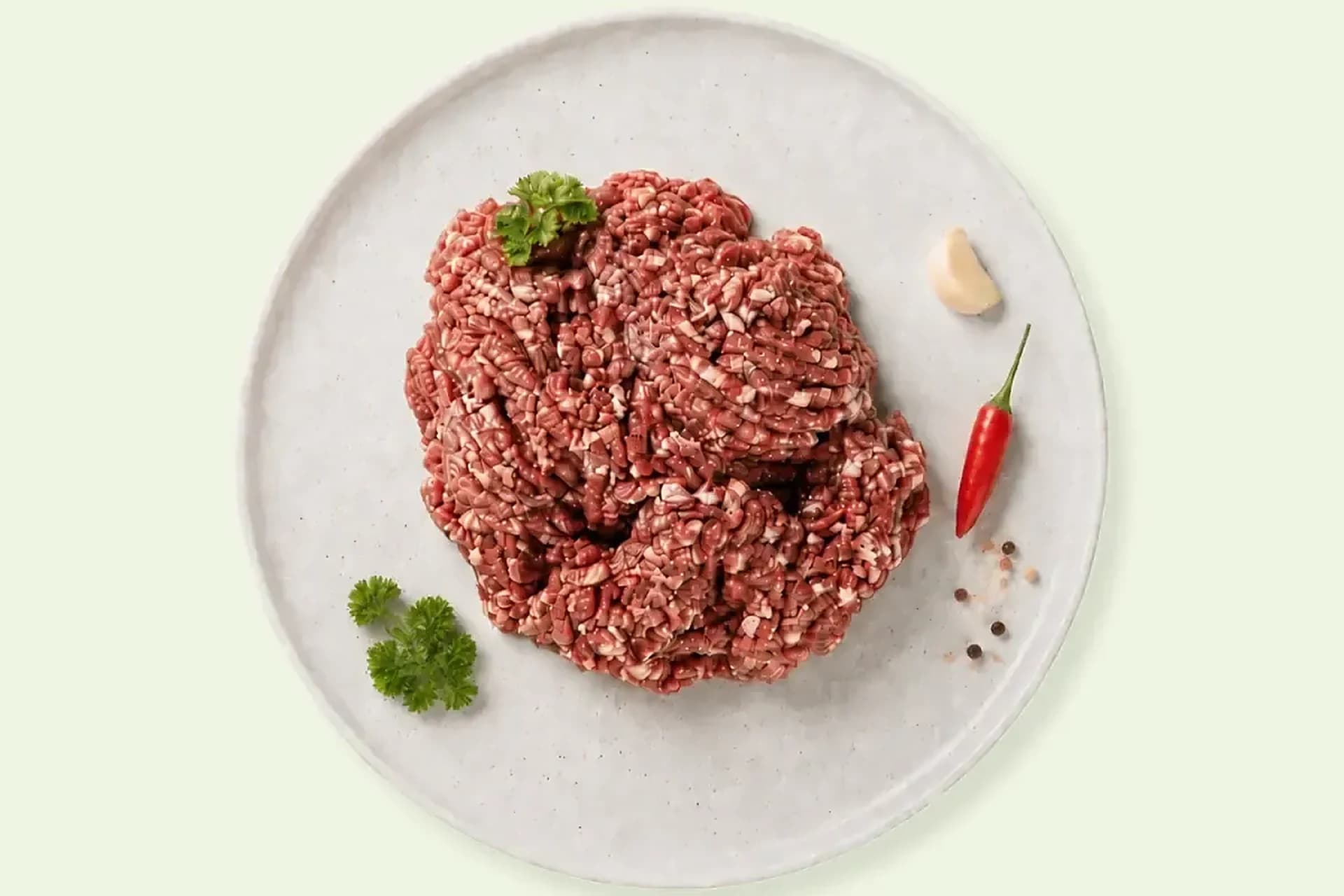
Farm-gate mince is different in one specific way: it is ground from a single, known primal — usually chuck, brisket trim, or a blend set by the butcher, not left to whatever trim volume happened to be available that day. That consistency is the entire point.
Why the fat ratio actually matters for cooking
An 85/15 mince behaves completely differently in a pan to a 90/10 mince — the higher-fat mix renders out moisture-carrying fat as it cooks, basting the meat from the inside, while a leaner mix dries out faster and needs closer attention. When a mince blend is inconsistent pack to pack, your cooking technique has to keep adjusting to match it. Butcher-ground mince with a stated, consistent ratio means a recipe that worked last week works again this week.
The traceability gap
A supermarket mince pack can legally state "Product of Australia" without identifying the specific property, region, or grading program the meat came from. A direct wholesale allocation from a named program — MSA-graded Black Angus, for instance — carries that information all the way to your order confirmation, because there is one supply chain, not a blended one.
Frequently Asked Questions
Does a higher fat percentage mean lower quality mince?
No — fat percentage is a functional choice, not a quality signal. 80/20 is better for burgers that need internal basting; 90/10 suits bolognese or dishes where you want less rendered fat in the pan. Quality is about consistency and traceability, not the ratio itself.
How long does fresh butcher mince keep compared to packaged mince?
Both should be used within 2-3 days refrigerated or frozen immediately. Mince has more exposed surface area than a whole cut, so it is more perishable regardless of source — freeze on arrival if you are not cooking it within 48 hours.
Can I ask for a specific mince blend (e.g., chuck only)?
Yes — a wholesale butcher working from whole primals can grind to a specified cut on request, which a supermarket counter sourcing pre-ground product generally cannot offer.
Is extra lean beef mince actually better for everyday cooking?
Not universally — extra lean mince (often 95/5) suits dishes where you drain or skim fat anyway, like a lean bolognese, but it dries out faster in a hot pan than an 85/15 blend and needs added moisture or fat for burgers.
Why is grass-fed beef mince often a different colour to grain-fed?
Grass-fed beef tends to carry a slightly deeper red colour and a leaner fat profile due to diet, not because it is fresher or older — colour alone is not a reliable freshness indicator across different feeding programs.
Does bulk-buying mince in a wholesale order save money per kilo?
Generally yes — bulk beef mince bought as part of a larger wholesale allocation typically carries a lower per-kilo price than small-pack retail mince, since packaging and handling costs are spread across a larger volume.