Why an Intact Cryovac Seal Matters More Than the Date on the Pack
11 May 2026•6 min read
What a use-by date is actually calculated against
A printed use-by date assumes two conditions hold true for the entire window: the packaging remains sealed as supplied, and the product is held at a consistent, correct refrigeration or freezer temperature throughout. The date is not an independent property of the meat itself — it is a prediction based on those storage conditions being met.
Why a broken seal changes everything
A vacuum seal removes the oxygen that most spoilage bacteria need to multiply rapidly, which is the entire mechanism behind why cryovac-sealed meat holds safely for so much longer than meat wrapped in ordinary plastic film. The moment that seal is punctured, torn, or fails to hold vacuum, the product is exposed to oxygen again and spoilage can proceed at a normal, much faster rate — regardless of what the printed date still says.
How to actually check a seal before trusting the date
A correctly holding vacuum seal sits tight against the meat with no air pockets and should feel firm, not loose, when gently pressed. Any visible air bubble, looseness, or a seal that has "lifted" since the product was packed is a sign the vacuum has been compromised — in that case, treat the product's remaining safe window as the standard few days typical of normally wrapped fresh meat, not the printed cryovac-calculated date.
Frequently Asked Questions
Is it safe to eat meat with a slightly loose vacuum seal if the date is still valid?
Inspect it carefully — check for off odours, discolouration, or a sour smell when opened. If the seal has clearly failed (not just slightly soft) well before the printed date, it is safer to treat it as compromised and either cook it promptly or discard it rather than rely on the printed date.
Can a cryovac seal fail during freezing?
Yes — sharp bone edges, overly cold and brittle packaging, or rough handling during freezing can puncture a seal. It is worth a quick visual check before placing a cryovac pack in the freezer for extended storage.
Does a vacuum seal protect against freezer burn?
Yes, significantly — freezer burn is caused by moisture loss to the surrounding air, and a correctly holding vacuum seal removes the air gap that would otherwise allow that moisture migration to happen.
Why does vacuum sealed frozen meat sometimes look slightly discoloured through the bag?
A darker purplish-red colour under vacuum is normal — it is caused by the absence of oxygen (myoglobin in the meat reacts differently without it) and the colour typically brightens back to a normal red within minutes of the seal being opened and the meat exposed to air.
Is vacuum packed mince riskier than vacuum packed whole cuts?
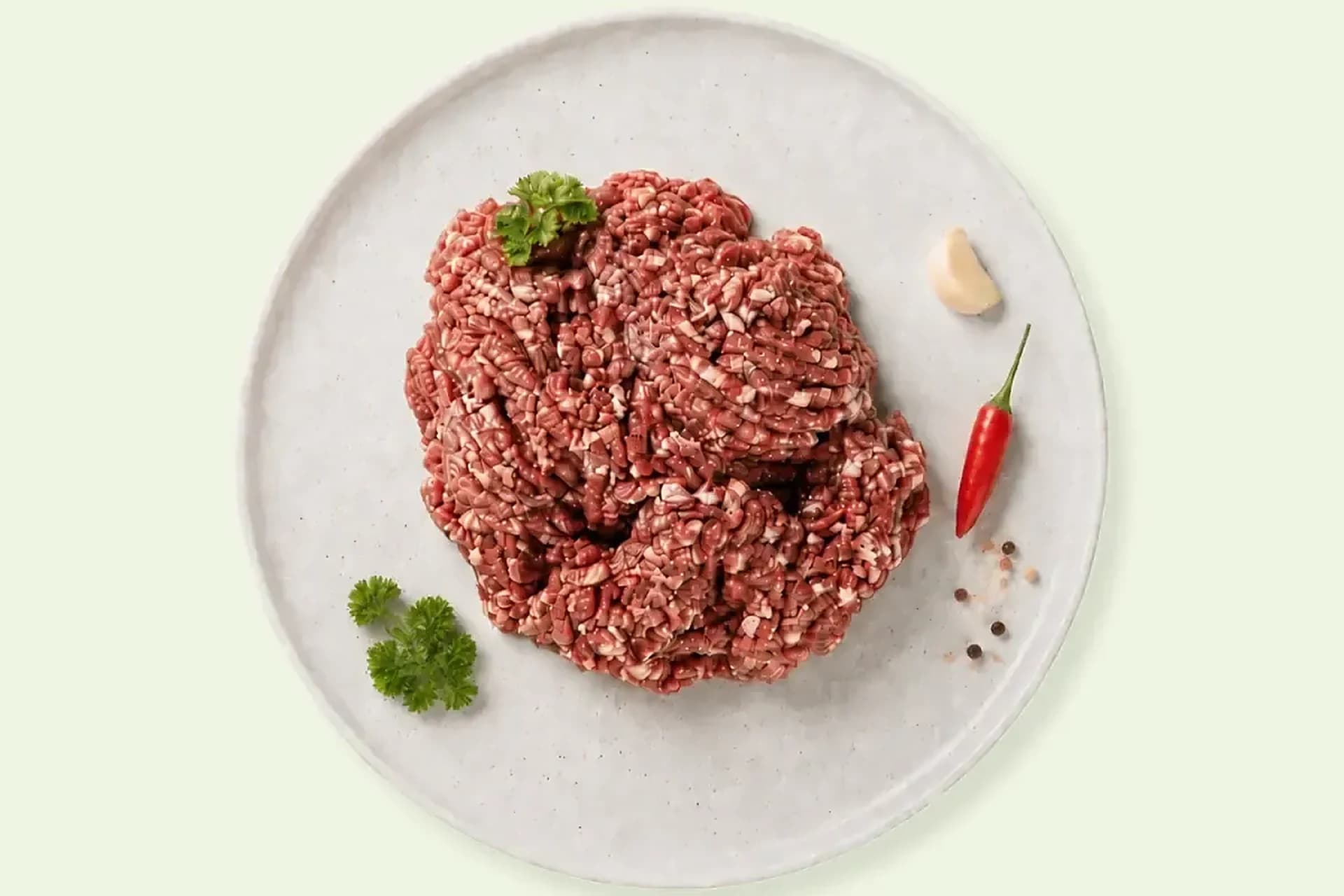
Mince has more exposed surface area and a larger bacterial load relative to its volume even before packing, so while the vacuum seal still extends its life versus loose wrapping, mince should still be used or frozen sooner than an equivalent whole cut.
Can I vacuum seal lamb or other cuts myself at home for longer storage?
Yes, with a home vacuum sealer — it meaningfully extends freezer storage life compared to standard freezer bags by removing most of the air, though a home unit will not achieve quite the same seal integrity as commercial-grade cryovac equipment.