Kangaroo Meat 101: Australia's Leanest Red Meat Nobody's Talking About
16 February 2026•6 min read
The nutritional profile most people don't know about
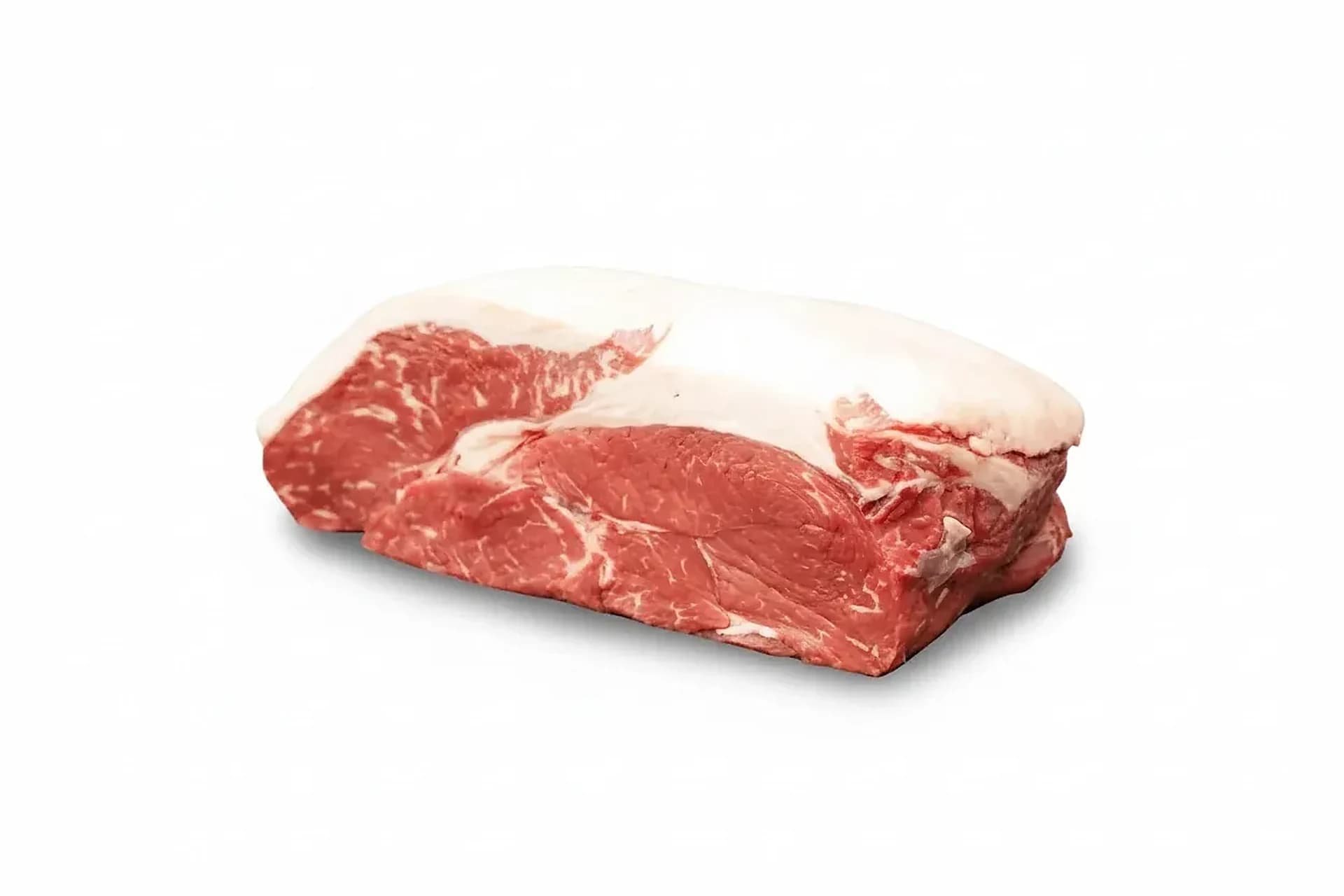
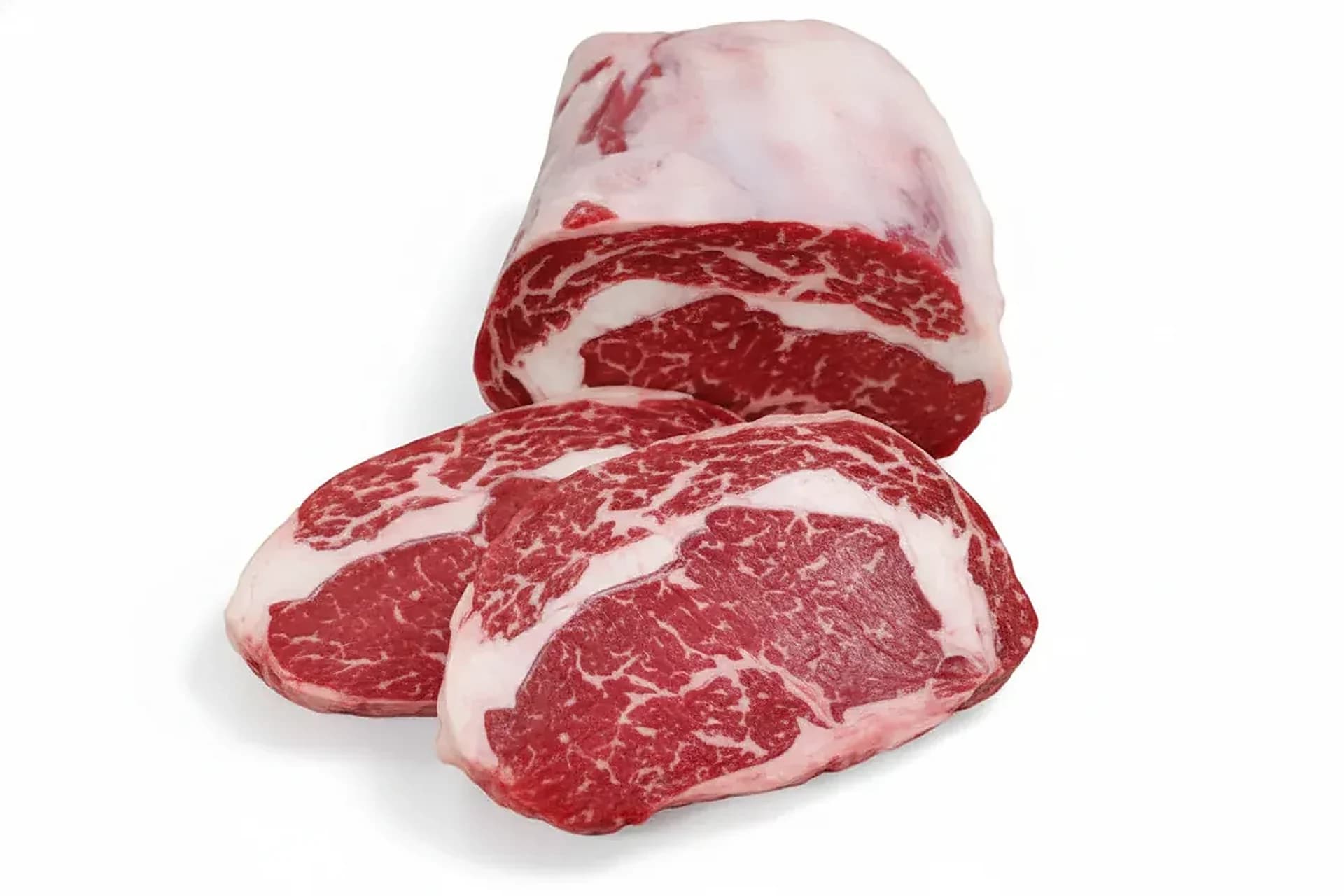
Kangaroo meat typically contains under 2% fat by weight — lower than skinless chicken breast — while carrying a comparable protein density to beef and a naturally high iron and zinc content, since it is entirely wild-grazed with no grain finishing. There is no fat cap or marbling to render, which is exactly why it demands a different cooking approach to a well-marbled steak.
Why it needs a different cook than beef
Because there is almost no intramuscular fat to protect the muscle fibres during cooking, kangaroo is highly prone to drying out past medium. It performs best seared hard and fast and rested well — treated more like a lean game steak or venison than a traditional beef steak — or used in slow-braised dishes where moisture is added rather than relied upon from the meat itself.
The sustainability angle that actually holds up
Commercial kangaroo harvesting in Australia operates under a government-regulated quota system tied to annual population surveys in each harvest zone, explicitly designed to take only a sustainable percentage of a species that has no natural predator pressure from fencing or land clearing in the way livestock grazing land does. It requires no grain feed, no irrigation, and no land clearing specific to the animal, since the population is entirely wild.
Frequently Asked Questions
Why isn't kangaroo meat more popular in Australia?
Largely cultural rather than practical — kangaroo has been exported to European and Asian markets in significant volume for decades, while domestic consumption has lagged due to unfamiliarity with how differently it needs to be cooked compared to beef.
Does kangaroo meat taste "gamey"?
It has a distinct, slightly earthy flavour profile compared to beef, but "gamey" in the unpleasant sense usually points to overcooking or poor handling rather than the meat itself — correctly rested, well-seared kangaroo has a clean, rich flavour.
Is kangaroo meat lower risk for food intolerances than beef?
Some people with red meat sensitivities report better tolerance to kangaroo, though this varies individually — it is worth discussing with a health professional if intolerance is a specific concern rather than a general preference.
How does kangaroo mince compare nutritionally to beef mince?
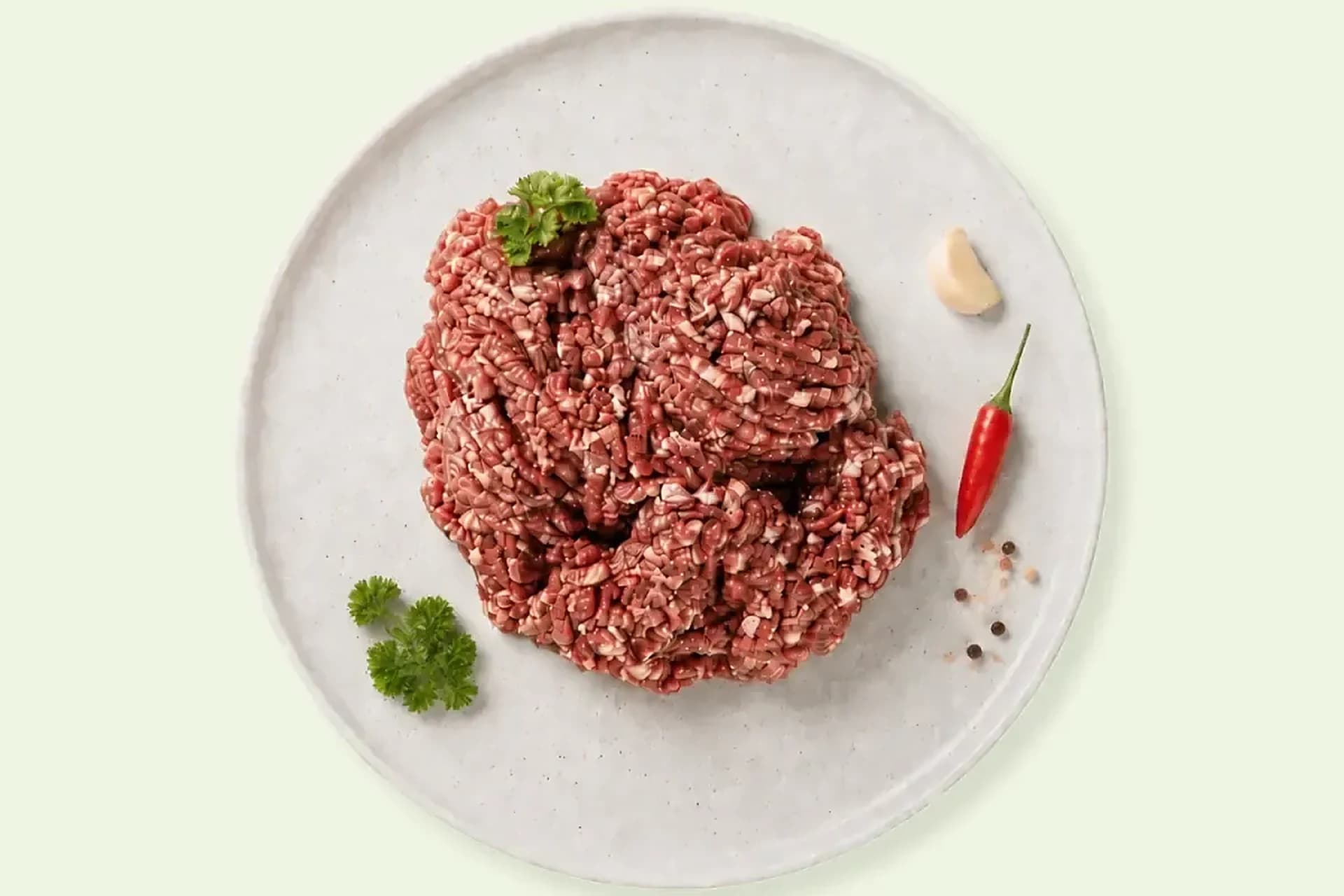
Kangaroo mince is typically much leaner than even extra-lean beef mince, with a comparable or higher protein-per-gram density, but it lacks the fat content that carries flavour and moisture in beef mince, which is why it suits well-seasoned dishes with added moisture.
Can kangaroo mince be substituted directly in a beef mince recipe?
It can, but expect a drier result unless you add extra fat or moisture (olive oil, a splash of stock, or combining with a fattier mince) — a straight 1:1 swap in a recipe calibrated for 80/20 beef mince will cook noticeably differently.
Is bulk kangaroo mince cheaper per kilo than beef mince?
It varies by supplier and season, but kangaroo mince is frequently price-competitive with or cheaper than beef mince per kilo, reflecting its wild-harvest supply chain which carries none of the feed or land costs of farmed beef.
Related searches:buy kangaroo mince onlinebulk kangaroo mincekangaroo mince bulkkangaroo mince vs beef mincewhat is kangaroo mincekangaroo mince protein
Ready to order direct from the source?
Browse the full 160-cut wholesale catalog or ask our butchery concierge a question.