MSA Marbling Explained: How to Actually Read a Wagyu Score Before You Buy
19 January 2026•7 min read
What the number is actually measuring
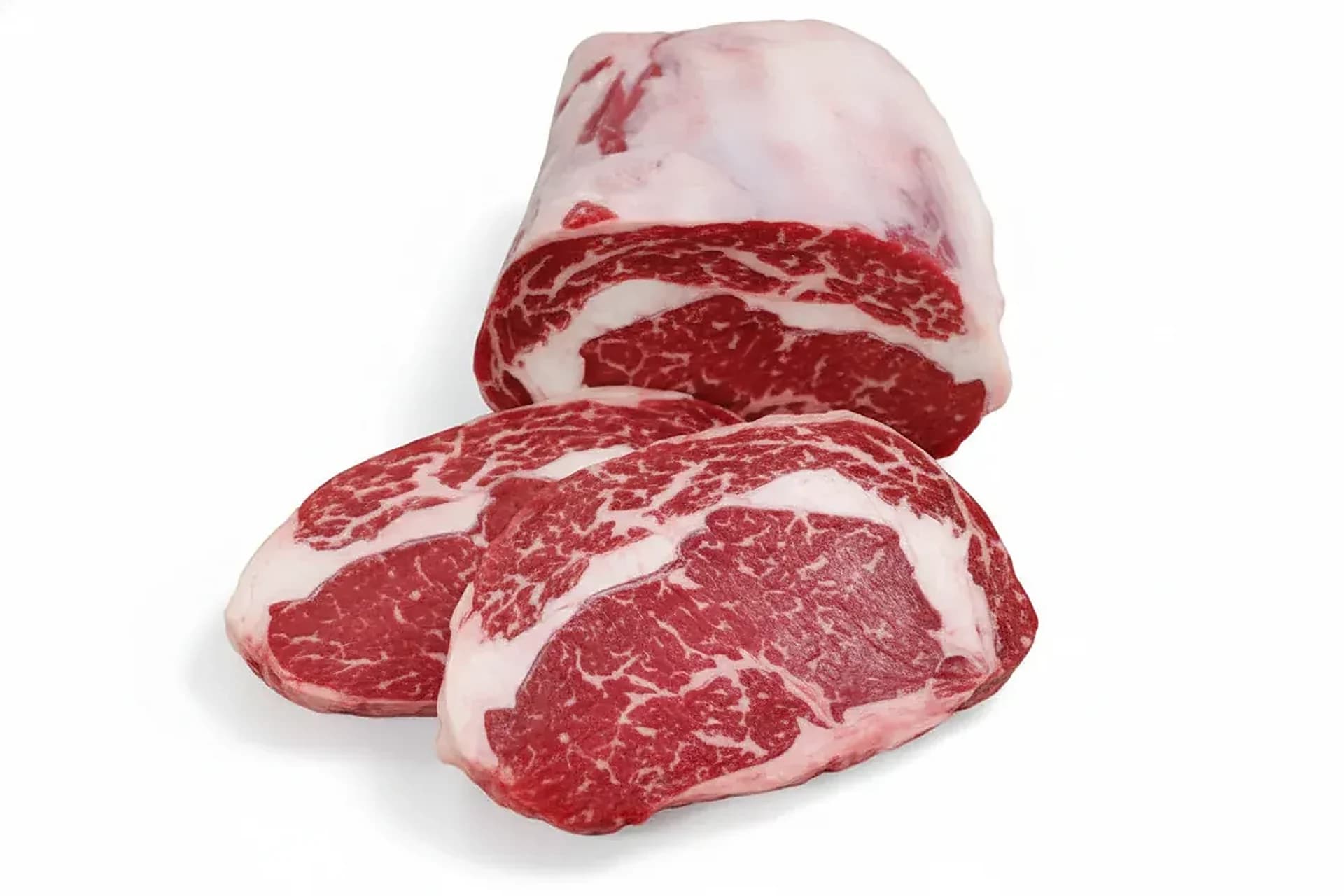
The Australian Meat Standards marbling scale (AUS-MEAT BMS) runs from 0 to 9+ and measures the density and distribution of intramuscular fat — the fine white streaks running through the muscle, not the fat cap around the edge. Marbling is scored visually against reference photographs at the ribeye (cube roll) cross-section after the carcass is chilled.
MB3-5 is typical for well-finished grain-fed Angus — enough marbling for a noticeably juicier, more flavourful steak than grass-fed, without crossing into Wagyu pricing. MB7-9+ is the range where Wagyu genetics and extended grain-feeding programs (commonly 300-500+ days) produce the dense, almost lace-like fat pattern Wagyu is known for.
Where the premium is worth it — and where it is not
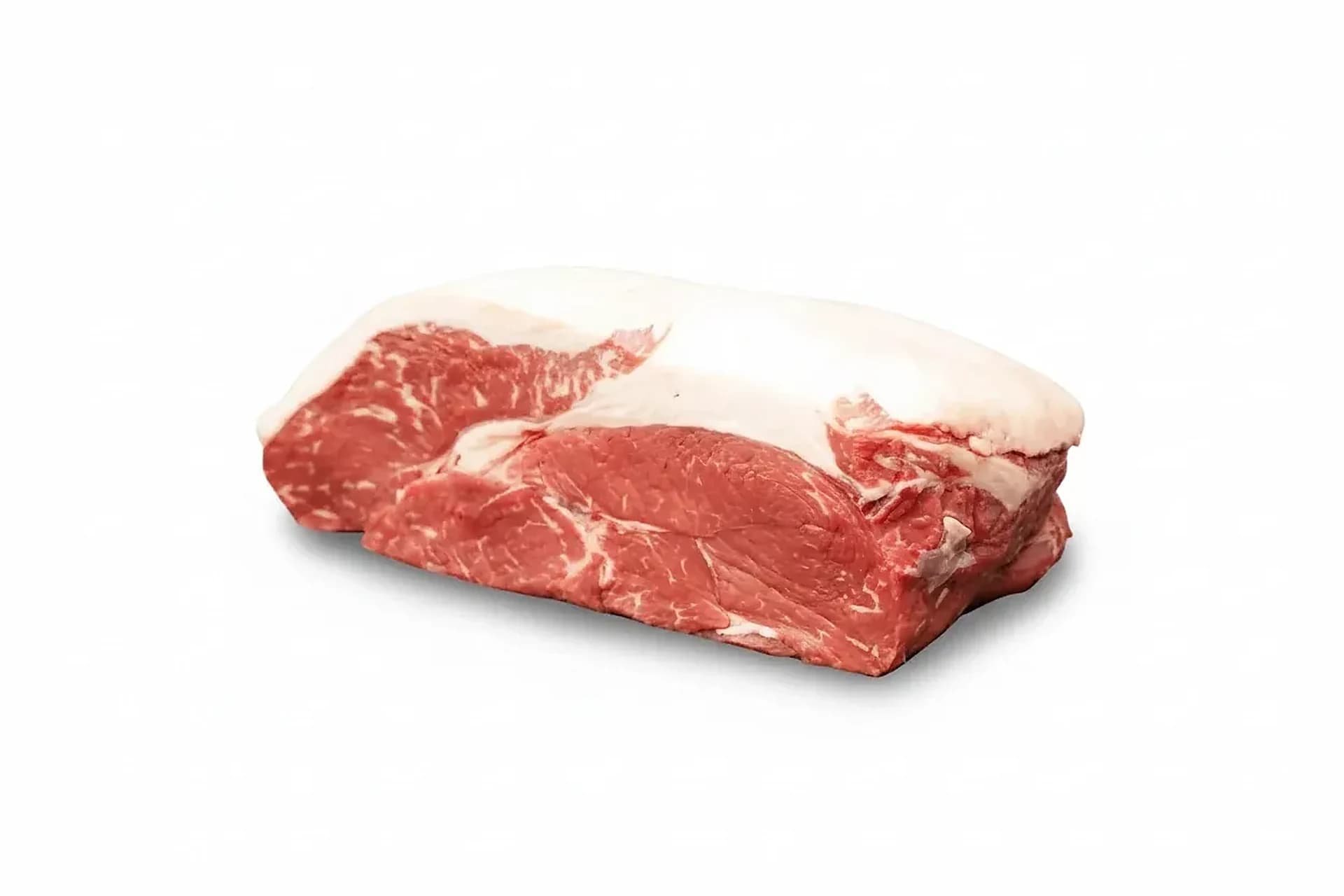
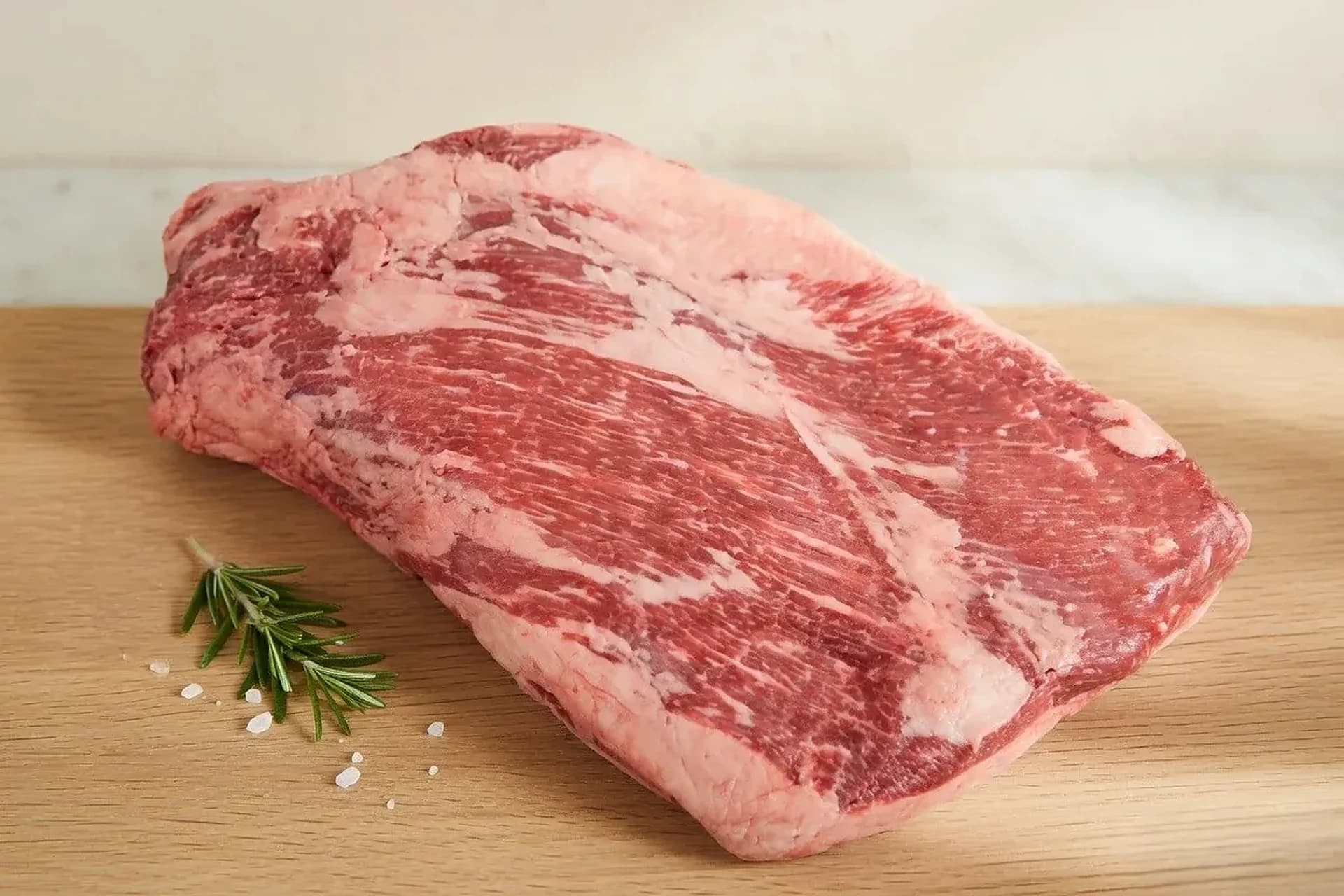
For a quick-sear cut eaten in small portions — scotch fillet, rump cap, or a thin-sliced hot pot application — higher marbling delivers an obvious, immediate difference because the fat renders fast and coats every bite. For slow-cooked cuts like brisket or chuck, where connective tissue breakdown does most of the work, a lower marbling score on a cheaper cut often produces a better result for the money, because long cooking times matter more than fat density.
A useful rule: match the marbling investment to how briefly the cut will be cooked. The shorter the cook, the more a higher score pays off in the final bite.
How to avoid paying Wagyu prices for grain-fed marbling
Always check whether a listing states the actual MSA/BMS score, not just the word "Wagyu" — "Wagyu-style" or "Wagyu cross" can carry genetics as low as 25-50%, landing at MB4-6, nowhere near MB9+ pricing territory, yet sometimes priced close to it. A transparent listing states the score and the percentage of Wagyu genetics (full-blood vs F1 cross) so you know exactly what you are paying for.
Frequently Asked Questions
Is MB9+ always better than MB7?
Better is subjective — MB9+ delivers more fat content and a richer, heavier mouthfeel, which some diners find overwhelming in large portions. MB7-8 is often the preferred middle ground for people who want the Wagyu eating experience without the extreme richness.
Does marbling score affect cooking time?
Higher-marbled cuts cook faster to a safe serving temperature because fat conducts and retains heat differently to lean muscle, and they are far more forgiving of a slightly-over sear since the fat keeps basting the meat. Pull Wagyu a touch earlier than you would a lean cut of the same thickness.
Does a higher marbling score always mean better quality overall?
Marbling score measures one specific attribute — intramuscular fat. Tenderness, flavour depth, and overall quality are also influenced by aging, cut selection, and cooking technique, so a well-prepared MB5 steak can outperform a poorly cooked MB9+ one.
Is full-blood Wagyu always MB9+?
Not automatically — genetics set the ceiling, but feeding program length, individual animal variation, and age at slaughter all affect the final score. A full-blood animal fed for a shorter period can still grade lower than MB9.
What does the beef marbling score chart actually look like?
The AUS-MEAT BMS reference chart shows photographed ribeye cross-sections at each score from 0 to 9+, with graders comparing a chilled carcass cross-section against those references rather than using a measuring device — it is a trained visual assessment, not an automated scan.
Why do two cuts with the same marbling score sometimes taste different?
Marbling score reflects fat density at one cross-section point, but aging, cut location, and cooking method all still influence the final eating experience — score is a strong predictor, not an absolute guarantee of identical results.
Related searches:wagyu beef marblingmarbling score wagyubeef marbling score chartwhat is marbling in beefmarbling score meaningwagyu beef
Ready to order direct from the source?
Browse the full 160-cut wholesale catalog or ask our butchery concierge a question.