Wagyu MB9+ vs MB3: Is the Price Difference Actually Worth It?
13 April 2026•6 min read
The price curve is not linear
Moving from MB3 to MB5 typically carries a moderate, proportional price step. Moving from MB7 to MB9+ often carries a disproportionately larger jump, because the number of animals genetically and nutritionally capable of reaching that top tier of marbling is a much smaller percentage of any given herd — scarcity, not just fat content, drives the steepest part of the pricing curve.
What actually changes in the eating experience at each tier
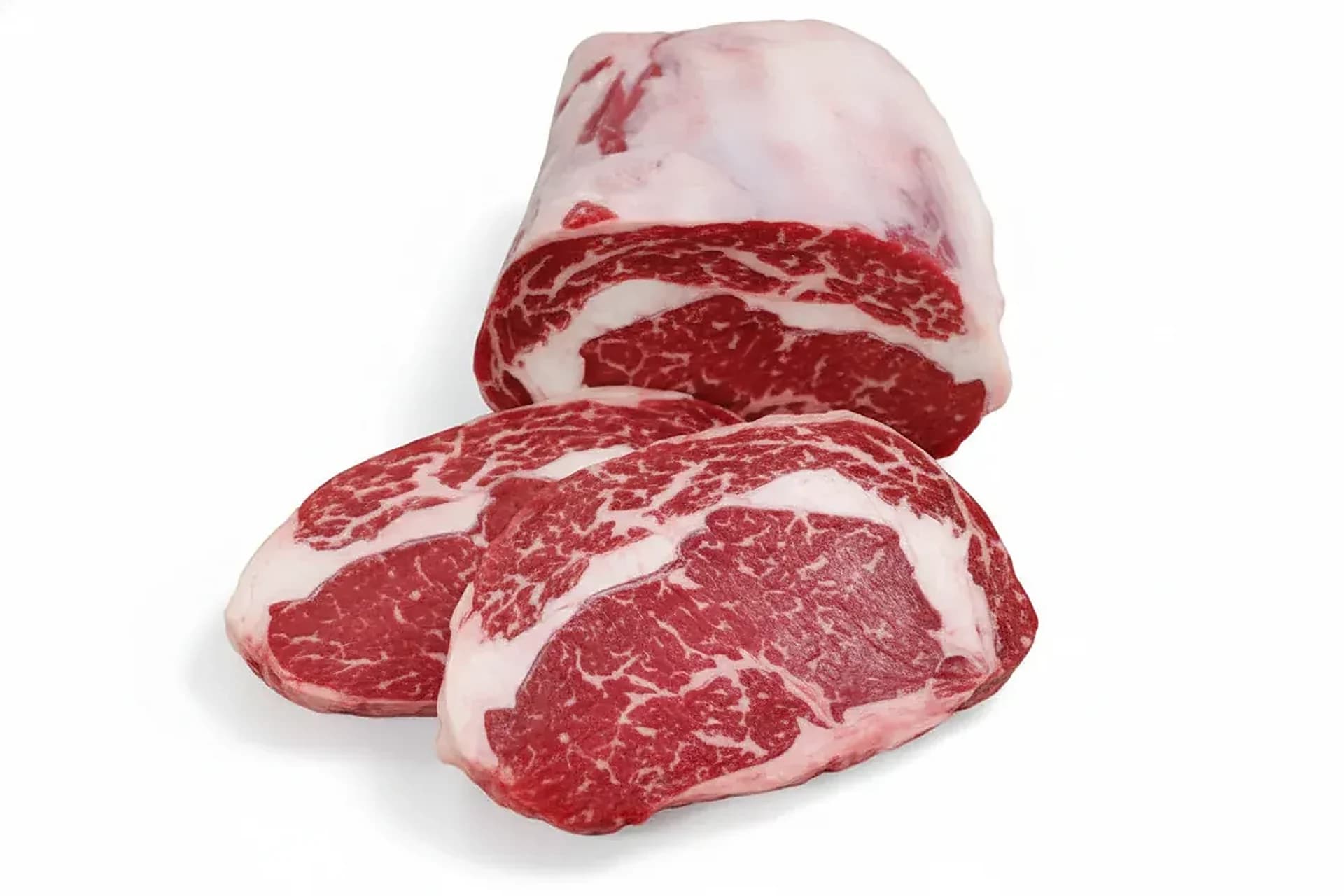
MB3-5 delivers a clearly more tender, more flavourful result than standard grass-fed beef, with a manageable richness suited to a full steak portion. MB7-8 pushes further into a buttery texture that most people notice immediately, often best served in a smaller portion than a standard steak cut, since the richness is more filling per gram. MB9+ is the most extreme end — exceptionally soft texture and intense richness, frequently best appreciated in small, thinly-sliced portions rather than a full-size steak, which is actually how it is traditionally served in Japanese cuisine.
The honest recommendation
If this is a first Wagyu purchase, MB5-7 is the more defensible entry point — it delivers a clear, obvious step up from standard beef without the steep price jump of the top tier, and it is served in a portion size most people are used to. MB9+ is best reserved for a special-occasion, smaller-portion serving once you already know you enjoy the Wagyu eating experience.
Frequently Asked Questions
Is MB9+ Wagyu too rich to eat a full steak portion?
Many people find a full 250-300g steak portion at MB9+ quite heavy to finish — a smaller 150-200g portion, or thin-slicing for hot pot or yakiniku style, is a common and often preferred approach at this marbling tier.
Can I mix marbling tiers in one order to compare them myself?
Yes — ordering the same cut (for example scotch fillet) across two different marbling tiers and cooking them side by side on the same night is the most direct way to decide where your own preference sits on the scale.
How does A5 Wagyu grading relate to the MSA/BMS marbling score?
A5 is a Japanese grading system (combining a yield grade and a quality grade from 1-5) distinct from the Australian MSA/BMS 0-9+ marbling scale, though A5 beef typically corresponds to the very top end of the BMS marbling range when compared directly.
Is wagyu rump a lower-marbling cut than wagyu sirloin?
Rump is generally a leaner muscle group than sirloin or scotch fillet even within the same animal, so at the same overall carcass marbling grade, a wagyu rump typically shows less visible marbling than a wagyu sirloin or scotch fillet from the same animal.
Does wagyu eye fillet make sense given it is a naturally lean cut?
Eye fillet is naturally the leanest premium cut regardless of breed, so Wagyu eye fillet offers more tenderness-from-marbling benefit than a dramatic richness increase — it is a good choice for someone who wants Wagyu's texture without an intensely rich mouthfeel.
Why do wagyu scotch fillet and wagyu sirloin differ in price at the same marbling score?
Even at an identical marbling grade, cut-specific demand and portioning yield affect price — scotch fillet is often in higher demand for its balance of tenderness and marbling, which can place it at a different price point to sirloin from the same carcass grade.