Veal vs Beef: The Age-Driven Difference Every Home Cook Gets Wrong
9 March 2026•6 min read
What actually makes veal different from beef
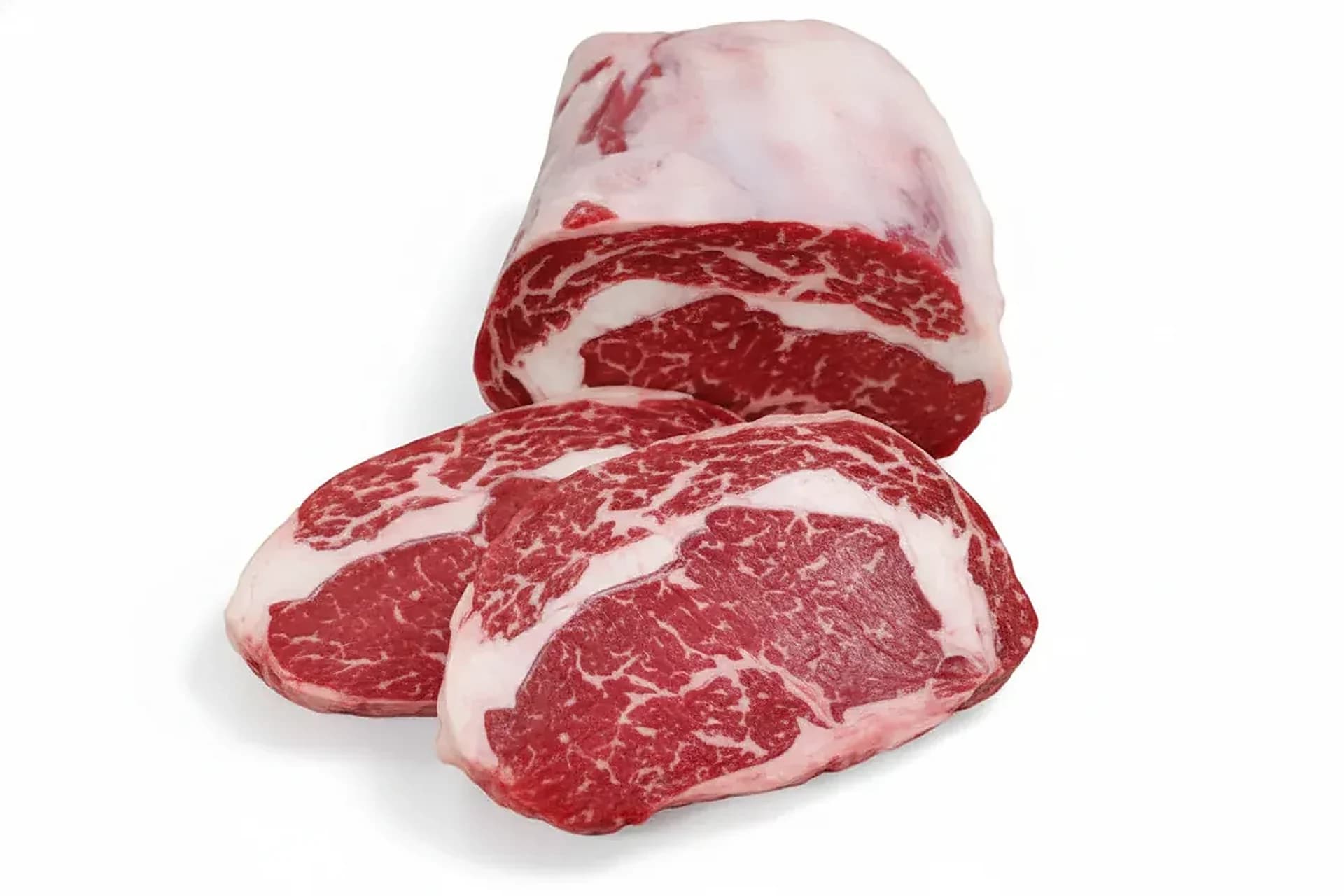
Veal comes from cattle typically processed well under 12 months of age, compared to the 18-30+ months common for standard beef. At that younger age, the muscle fibre is finer and less developed, the connective tissue has had far less time to toughen through use, and the meat carries almost no intramuscular marbling because the animal has not had the time or diet to develop it.
Why veal needs a gentler, faster cook
Because veal has so little protective fat, it dries out and toughens quickly past medium doneness — the opposite failure mode to a tough beef cut, where overcooking is often forgiven by fat content. Veal rewards quick, hot cooking methods (escalopes, quick pan-searing) or gentle braising with added moisture (osso buco), and punishes prolonged dry-heat cooking the way a well-marbled ribeye would not.
Where veal genuinely outperforms beef
For delicate preparations — thin-pounded escalopes, finely diced for a light ragù, or dishes where a subtle, clean flavour is wanted rather than a dominant beefy one — veal's mild flavour and fine texture is a genuine advantage, not a lesser substitute for beef.
Frequently Asked Questions
Is veal more expensive than beef, and why?
Generally yes, per kilo — the shorter rearing period means a lower end weight per animal relative to the feed and time invested, and veal production volumes are typically much smaller than standard beef, both of which push the price up.
Can veal and beef be substituted for each other in a recipe?
Only with adjusted cook time and heat — veal needs less time and gentler heat than the beef cut it is replacing, or it will dry out well before a beef-calibrated recipe's timing would normally finish cooking it.
Does veal have less iron than beef?
Yes, generally — iron content in red meat tends to increase with the animal's age, so standard beef typically carries a higher iron density than veal from the same breed.
Does grass-fed veal taste different from grain-fed veal?
Grass-fed veal tends to carry a slightly more pronounced flavour and firmer texture than the very pale, mild milk-fed veal common in some overseas markets, since Australian veal programs typically allow more pasture access.
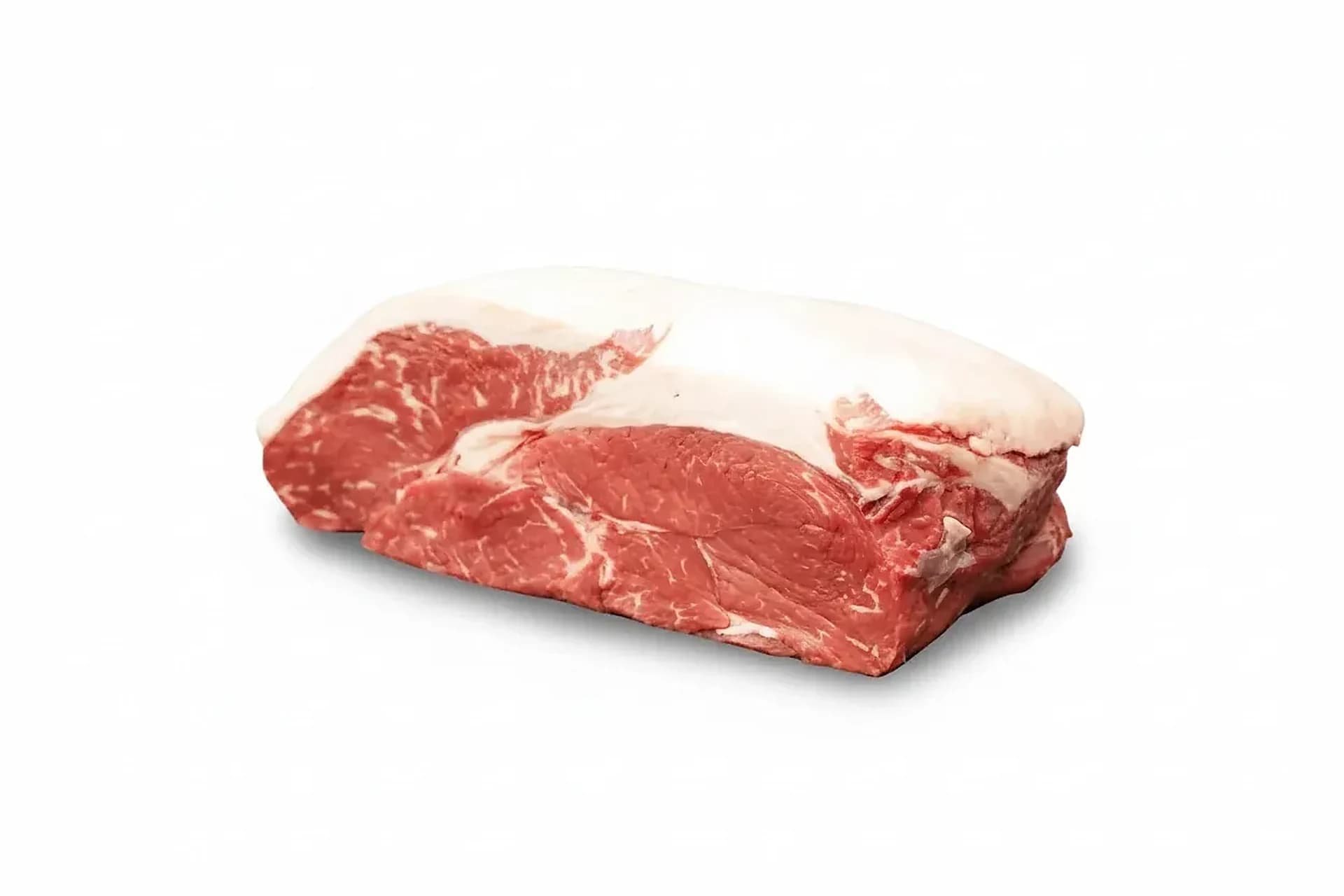
What is veal rump best used for?
Veal rump suits quick pan-searing or grilling similarly to a small beef rump steak, but benefits from a shorter cook time and lower heat given its finer fibre and lack of protective marbling.
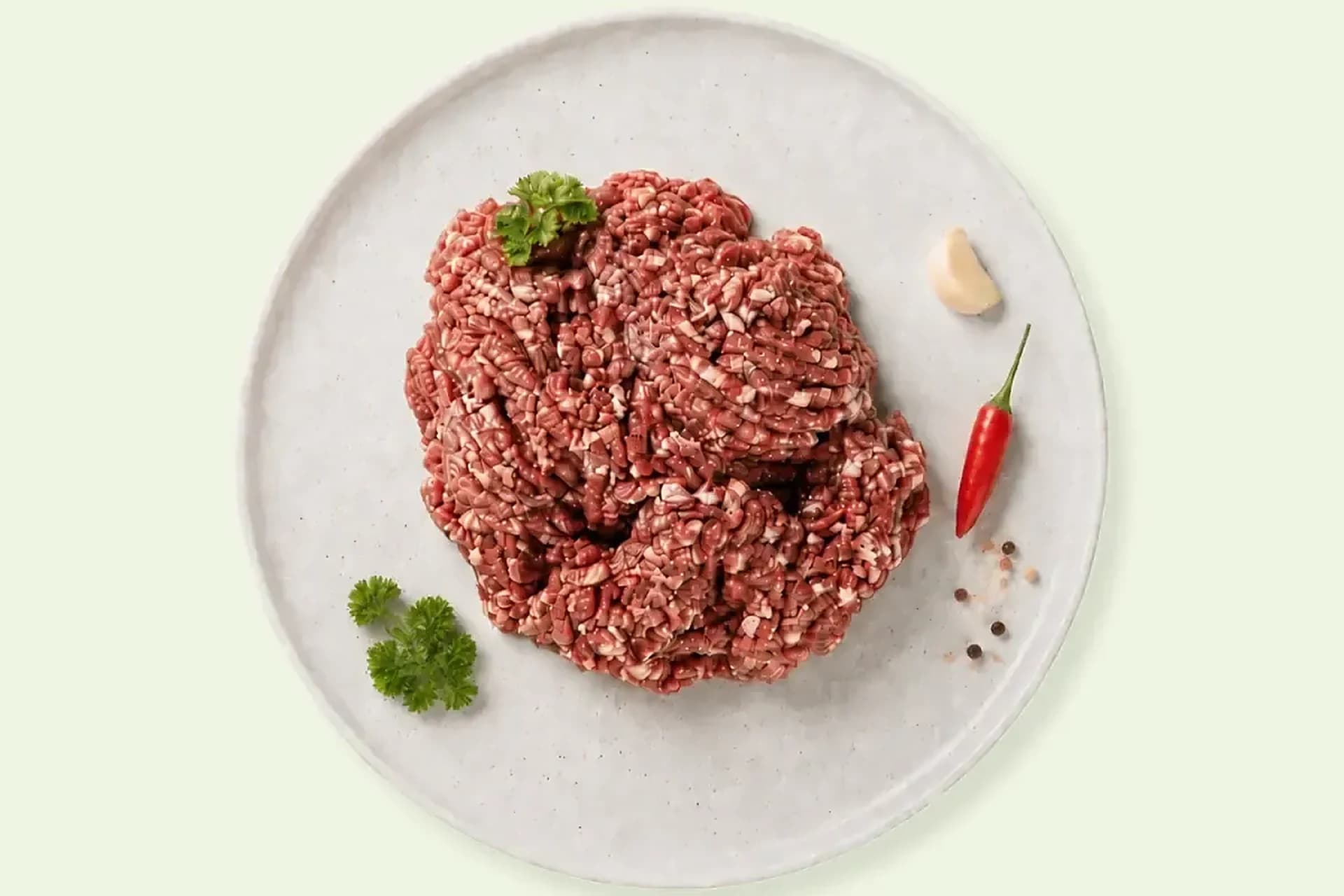
Is veal mince a good substitute for beef mince in meatballs?
Yes, and it is traditional in many European recipes — veal mince produces a lighter, more tender meatball than beef mince alone, though it is often blended with pork or beef mince to add back some fat for moisture.
Related searches:meat vealveal mincegrass fed vealveal near mebuy veal onlineveal rump
Ready to order direct from the source?
Browse the full 160-cut wholesale catalog or ask our butchery concierge a question.